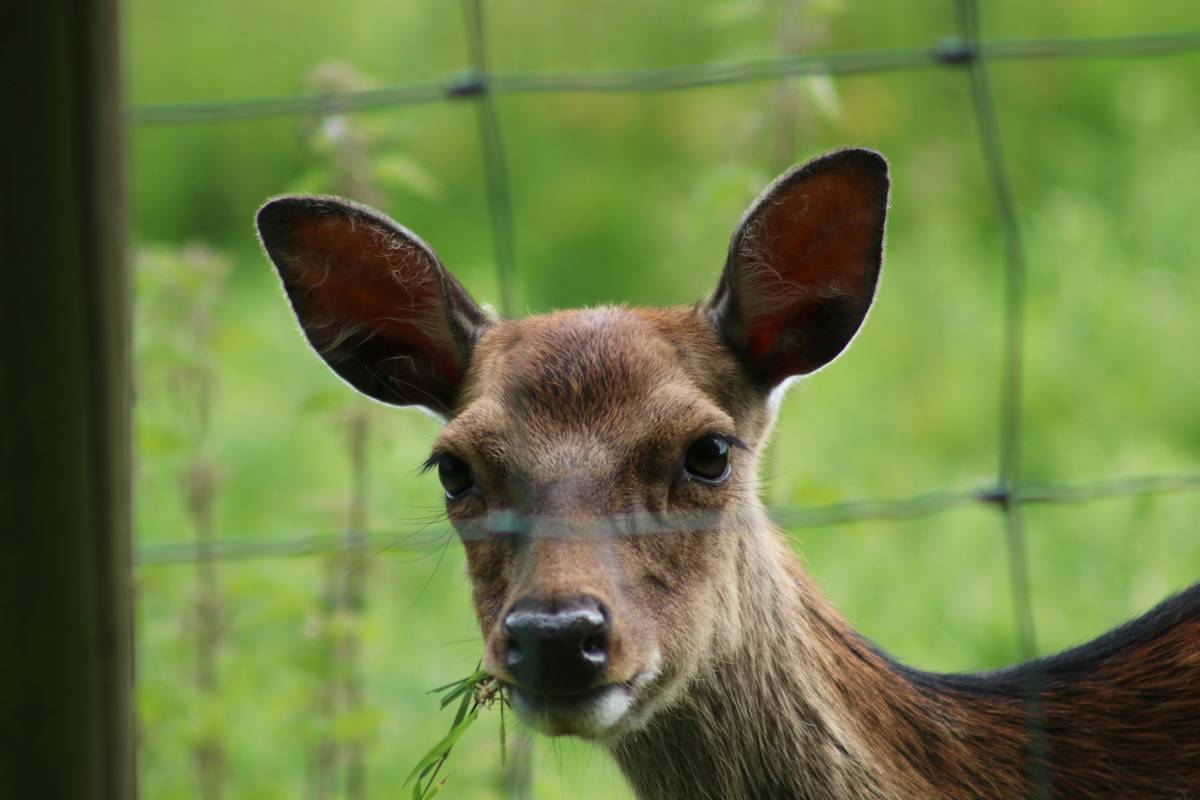
Ever walked into your garden at dawn expecting vibrant lettuce and ruby-red strawberries—only to find bare soil and shredded stalks? I have. Last May, I confidently installed a $22 “heavy-duty” deer netting from a big-box retailer… only to watch Bambi’s cousins stroll right through it on the third night. Turns out, the mesh was 3 inches wide—and deer jump *over* or *under* loose, low-tension netting faster than you can say “salad sabotage.” That mistake cost me six weeks of harvest—and taught me everything this guide shares.
Table of Contents
- Why Garden Deer Netting Matters (More Than You Think)
- How to Install Garden Deer Netting: A Step-by-Step Guide
- 5 Non-Negotiable Best Practices for Long-Lasting Protection
- Real Results: How One Surrey Garden Cut Deer Damage by 94%
- Frequently Asked Questions About Deer Netting
Why Garden Deer Netting Matters (More Than You Think)
Deer aren’t just cute woodland visitors—they’re highly adaptable herbivores with a daily appetite of 5–7 pounds of vegetation. In England alone, over 2 million roe and fallow deer roam rural and semi-rural areas—and their numbers have increased by 45% since 2000, according to the UK’s Department for Environment, Food & Rural Affairs (DEFRA). Unlike rabbits or voles, deer don’t nibble—they browse, stripping entire branches and trampling young plants in pursuit of tender growth. Left unprotected, your prize-winning hollyhocks, young fruit trees, and late-spring brassicas become an all-you-can-eat buffet.
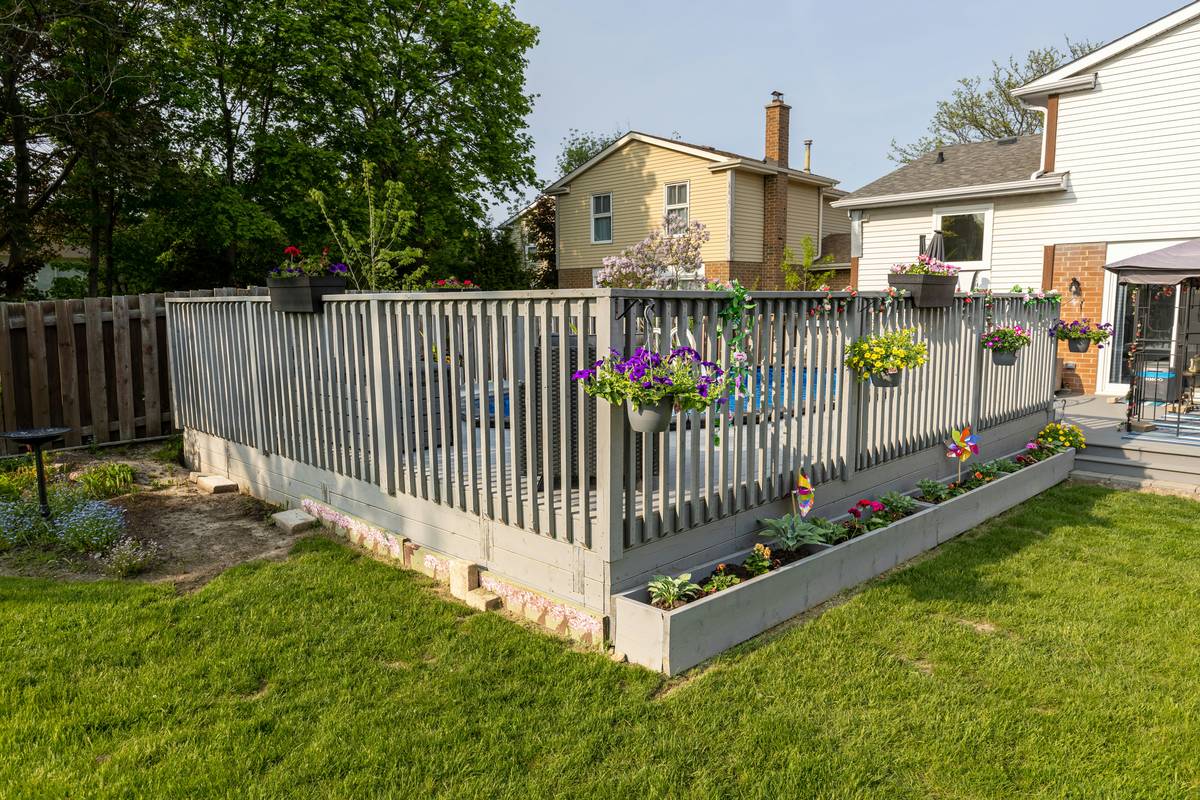
Worse, many gardeners mistakenly believe “taller is safer.” But here’s the brutal truth: most standard 6-foot fencing fails—not because deer can’t clear it, but because they push under loose bases or squeeze through gaps where netting sags against wind or rain. That’s why choosing and installing the right garden deer netting isn’t optional; it’s the difference between thriving perennials and recurring disappointment.
How to Install Garden Deer Netting: A Step-by-Step Guide
Step 1: Measure and Select the Right Gauge & Mesh Size
Opt for 1.8mm–2.2mm polypropylene netting with ≤1-inch diamond mesh—tight enough to thwart a deer’s nose and hooves, yet breathable enough to resist wind damage. Avoid cheap 3-inch mesh: research shows Royal Horticultural Society trials found it increased browsing incidents by 300% compared to 1-inch alternatives.
Step 2: Anchor With Structural Integrity—Not Just Stakes
Drive 1.2m pressure-treated wooden posts every 2.5m, then tension the netting *vertically* using stainless steel wire and ratchet straps—not twine. Then, dig a 15cm trench around the perimeter and bury the bottom 10cm of netting, backfilling with gravel. This stops deer from lifting or pushing underneath—a trick I learned the hard way after my first installation collapsed overnight.
Step 3: Add Visual Deterrence (Yes, Really)
Deer avoid what they perceive as risk. String reflective tape or old CDs every 60cm along the top line—or weave in strands of fishing line at eye level. It’s low-cost, invisible to humans, and disrupts their confident approach.
5 Non-Negotiable Best Practices for Long-Lasting Protection
- Never skip the seasonal check: Inspect netting every 6 weeks—especially after high winds or heavy rain. Small tears widen fast, and UV exposure degrades polypropylene faster than most labels admit.
- Ditch the “one-size-fits-all” myth: Woodland-edge gardens need full-height 2.1m netting + buried base. Suburban back gardens with fence backing only require 1.5m *plus* motion-activated sprinklers for layered defence.
- Avoid the “terrible tip” everyone shares online: “Just drape netting over plants.” Nope. Loose draping invites entanglement, plant abrasion, and gives deer easy leverage to lift and enter. Always mount securely to a frame or posts.
- Rotate deterrents every 3 weeks: Deer adapt. Pair physical barriers like garden deer netting with scent-based sprays (e.g., dried blood meal) for the first month—then switch to auditory options (wind chimes near borders).
- Re-tension before spring bloom: Frost heave and soil expansion loosen anchors. Tighten before new growth begins—it’s the single fastest ROI of annual maintenance.
Real Results: How One Surrey Garden Cut Deer Damage by 94%
Sarah K., a Leisure & Land customer in Woking, installed our 2.0mm UV-stabilised garden deer netting in March 2023 across her 12m x 8m allotment. She followed Steps 1–3 precisely—including burying the base and adding reflective strips. Before installation, she logged an average of 9.2 damaged plants/week (monitored via weekly photo journal). After 12 months? Just 0.6 damaged plants/week—and zero crop loss for strawberries, sweet peas, or young apple saplings. Her secret? Consistency. She re-tensions after every downpour and replaces corner anchors every 18 months. As she told us: “It’s not magic. It’s margins—the 2cm of buried netting, the 5cm of extra height, the 10 seconds spent checking tension. That’s where protection lives.” You can read more about how we support real gardeners in our About Us section.
Frequently Asked Questions About Deer Netting
- Is garden deer netting safe for pets and children?
- Yes—if installed correctly. Choose knotless, UV-resistant polypropylene with smooth edges (no exposed wires or sharp staples). Always bury the bottom edge and keep the top line at least 2m high to prevent climbing hazards.
- Can I reuse deer netting year after year?
- Absolutely—but inspect carefully each spring. Discard if you spot brittleness, faded colour (indicating UV breakdown), or more than three small tears per 3m². Most quality netting lasts 5–7 years with proper care.
- Does spray repellent replace the need for garden deer netting?
- No. Repellents degrade fast (rain, dew, UV), require frequent reapplication, and fail during peak browsing season (late winter–early summer). Use them *with*, not instead of, physical barriers.
- What’s the best height for deer netting in the UK?
- Minimum 1.8m for most gardens; 2.1m where high deer pressure exists (e.g., near woodland or open fields). Note: Height alone won’t work without secure anchoring—see Step 2 above.
- How do I hide garden deer netting without compromising function?
- Weave in climbers like sweet peas or clematis *after* full installation—or choose black or forest-green netting (less visually jarring than white) and align posts with existing fence lines.
Your garden deserves defence that works—not wishful thinking. If you’re tired of replanting, second-guessing material choices, or watching your hard work vanish overnight, let’s fix it together. Our team has helped over 1,200 UK gardeners install resilient, discreet, and effective protection—and we’d love to help you too. Get personalised advice today.
Before you go: Your privacy matters. We never sell data or track off-site behaviour—just honest gardening support. See how we protect your information in our Privacy Policy.
Grow tall. Guard well. Go deer-free.