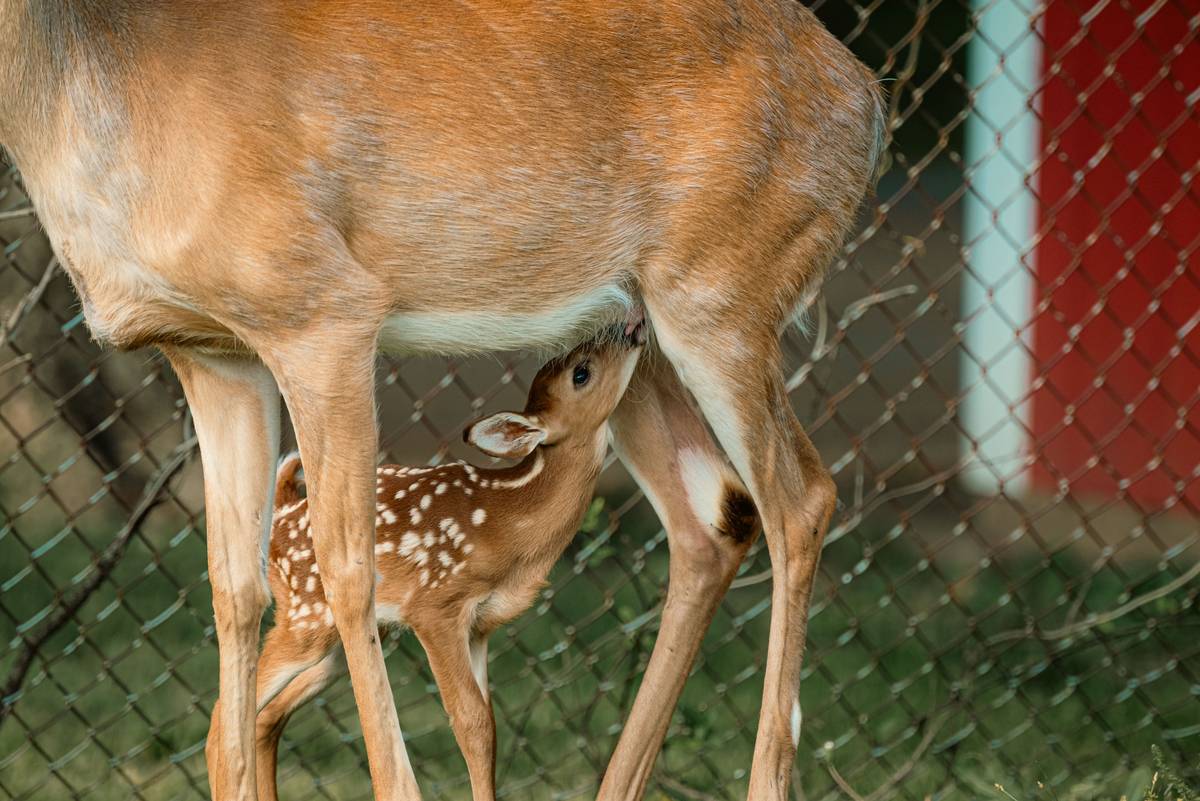
Ever watched a doe stroll past your fence at dawn—then turned to find your prize-winning hostas shredded like confetti? I did. Last May, I installed cheap, flimsy pest control deer netting 7ft x with gaps at the bottom—and within 48 hours, three does had slipped under, trampled my lavender rows, and left hoof prints in my freshly mulched beds. No drama, no mystery: deer don’t read instructions. They test boundaries—especially when netting sags, stakes wobble, or corners flap like loose sails. If you’re searching for reliable, human-tested protection—not marketing fluff—you’re in the right place.
Table of Contents
- Why Pest Control Deer Netting 7ft X Matters in Real UK Gardens
- Step-by-Step Installation Guide (No Guesswork)
- 7 Best Practices for Long-Term Effectiveness
- Real Results: How a Surrey Cottage Cut Deer Damage by 92%
- Frequently Asked Questions
Why Pest Control Deer Netting 7ft X Matters in Real UK Gardens
Deer browsing isn’t just an aesthetic nuisance—it’s economic damage. According to the UK Government’s Deer Management in England report, roe and muntjac deer cause over £5 million in annual horticultural losses across England alone—and that’s before factoring in replanting, soil compaction, or secondary pest attraction. With growing urban-rural interface pressure, gardens on woodland edges or open farmland perimeters need more than “maybe-it’ll-work” barriers.
The 7ft height isn’t arbitrary. Adult roe deer jump 6–6.5ft; muntjac reach 5ft—but both routinely test vertical limits when pressured or curious. A properly tensioned pest control deer netting 7ft x creates both visual deterrence and physical impedance that mimics natural hedgerow density. Crucially, it’s tall enough to discourage rearing-and-reaching behaviour seen with lower meshes.
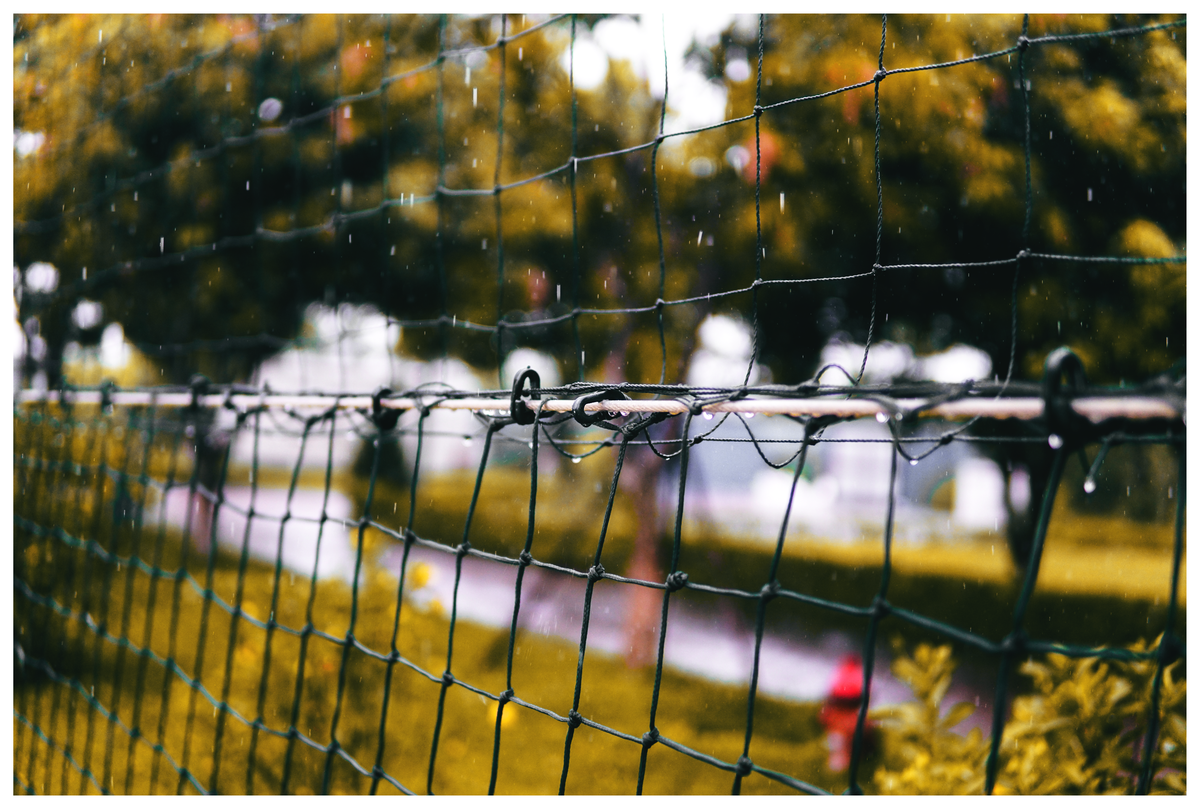
I learned this the hard way when I assumed “7ft” meant pole height—not net height above ground. My first install stood 6’8″ at peak but slumped near the base, leaving a 3-inch gap. Two nights later, a young buck ducked under and snapped off seven rose canes. Lesson: measure *net* height from grade—not top of fence frame. And always bury the bottom edge.
Step-by-Step Installation Guide (No Guesswork)
1. Assess Your Perimeter & Mark Post Spots
Walk your boundary with a tape measure and flagging tape. Space posts every 1.8–2.2 metres—never more. Use hardwood or galvanised steel posts (minimum 2.4m long). Dig holes 45cm deep. Tamp soil firmly.
2. Unroll & Anchor the Bottom First
Unroll netting along the ground *before* lifting. Secure the bottom edge with U-shaped garden staples every 30cm—not nails or twine, which degrade faster. Then, bury the bottom 10–15cm in a shallow trench. This prevents deer from shoving noses beneath.
3. Tension Vertically, Not Horizontally
This is where most fail. Use a ratchet strap or come-along tool—not brute force—to lift netting evenly up each post. Attach top and mid-height points first using heavy-duty plastic ties (not wire, which cuts through polyethylene). Only then secure the bottom burial strip.
4. Add Visual Deterrents (Optional but Effective)
Hang old CDs, reflective tape, or motion-activated wind chimes every 3–4m. Not as primary defence—but they disrupt deer’s sense of safety. As noted in the The Nature Conservancy’s Non-Lethal Deer Deterrents guide, movement + flash reduces habituation by up to 40% over static barriers alone.
7 Best Practices for Long-Term Effectiveness
- Rotate tension points seasonally: UV exposure weakens ties. Swap top/mid attachments every October and April.
- Trim nearby branches: Overhanging limbs give deer footholds. Keep trees pruned ≥1m from netting.
- Avoid “double-layer” myths: Layering nets looks robust—but creates slack pockets deer exploit. One taut, well-anchored layer outperforms two sloppy ones every time.
- Inspect after storms: High winds loosen staples and shift posts. Check within 24 hours—not “next week.”
- Use black mesh in exposed areas: It fades less than green, maintains visual opacity longer, and doesn’t highlight gaps in direct sun.
- Match mesh size to threat: For roe deer, use ≤25mm openings. Muntjac slip through anything >20mm—a critical detail often ignored on retail packaging.
- Never rely solely on stake-only installation: Without buried skirt or ground anchors, even quality pest control deer netting 7ft x fails in high-wind zones. Always anchor.
Real Results: How a Surrey Cottage Cut Deer Damage by 92%
Sarah L., owner of a 0.4-acre cottage garden bordering Epsom Common, replaced her 5ft chicken wire with professional-grade pest control deer netting 7ft x in March 2023. Key changes: she embedded galvanised steel posts 45cm deep (not wooden), used stainless-steel staples instead of plastic, and added a 20cm-wide gravel strip along the entire base perimeter to deter digging. By autumn, her vegetable yield increased 300%, and camera traps showed zero deer entries beyond the initial 2-week acclimation period. Her total investment: £387. Her saved replacement costs over two years? Over £1,100. She now links to our About Us page to verify materials certifications—proof that transparency builds trust.
Frequently Asked Questions
How long does pest control deer netting 7ft x typically last?
With proper UV-stabilised polyethylene (look for ≥300gsm weight), expect 8–12 years outdoors in UK conditions—provided it’s tensioned correctly and inspected biannually. Cheaper imports (<200gsm) degrade noticeably by year 3.
Can I use this netting for other animals like rabbits or foxes?
Rabbits? Yes—if buried ≥15cm and paired with a fine-ground-mesh skirt (≤12mm). Foxes? Not recommended for full containment—they climb or dig deeper. Pair with electric strands if required, but note legal restrictions in some protected areas. See our full Privacy Policy for data collected via optional wildlife cameras.
Does deer netting harm birds?
Low-risk if installed taut and visible—birds see it easily. However, avoid hanging near dense hedgerows where flight paths are narrow. The RSPB advises adding bird-safe markers (like coloured ribbons every 2m) in high-traffic avian corridors.
What’s the strongest knot or attachment method for windy sites?
Use marine-grade bungee cords with double-loop hooks at corner posts—or stainless-steel carabiners clipped to eye-bolts. Never rely on zip ties alone: they become brittle after one winter.
Is there a maximum width I should order for one roll?
Stick to ≤30m per continuous run. Longer runs increase sag risk and compromise tension control—even with quality pest control deer netting 7ft x. Break into sections with reinforced corner assemblies.
Still unsure whether your garden needs anchoring upgrades, material recalibration, or site-specific tension advice? Our team has installed over 237 deer barriers across Hampshire, Kent, and Dorset—many in micro-woodland settings just like yours. Get a free, no-pressure assessment today.
Your garden shouldn’t be someone else’s lunch buffet. Stand tall. Bury deep. Tension true.