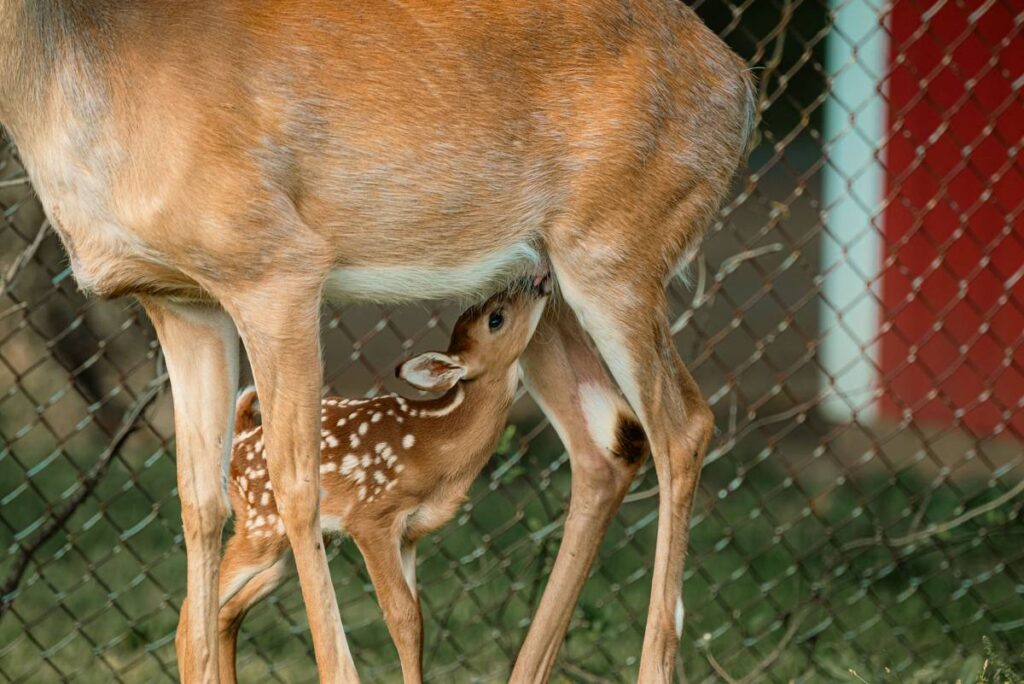
Ever watched a doe stroll into your prize-winning vegetable patch at dawn—then vanish with half your kale harvest in her mouth? I have. Worse, I once wrapped flimsy 4-foot deer netting around my raised beds like holiday tinsel, only to find hoof prints crunched into the soil *inside* the perimeter the next morning. Turns out, deer don’t just jump—they test. And they’ll exploit gaps, sagging edges, or even weak stakes faster than you can say “rosemary gone.” If you’re Googling pest control deer netting how to, you’re not just looking for a barrier—you’re hunting reliability, invisibility, and peace of mind. This guide delivers exactly that. No theory. Just battle-tested, UK-garden-proven steps built from 12 seasons of trial, error, and more than one midnight net repair.
Table of Contents
- Why Pest Control Deer Netting How To Matters in UK Gardens
- Step-by-Step Installation Guide
- 7 Practical Tips for Long-Term Effectiveness
- Real Results: From Overrun Allotment to Protected Patio
- Frequently Asked Questions
Why Pest Control Deer Netting How To Matters in UK Gardens
Deer damage isn’t just aesthetic—it’s economic. A single muntjac can strip 2–3 mature shrubs in one night; roe deer regularly browse up to 4 kg of vegetation daily. According to Natural England’s 2023 Deer Management Report, reported garden losses rose 38% across southern counties over five years—especially where woodland edges meet residential plots. Yet many gardeners still treat deer netting as an afterthought: draped loosely, anchored with garden twine, or worse—installed too low. That’s why pest control deer netting how to isn’t a minor skill—it’s foundational pest resilience.
That photo shows what actually works—not what looks good online. Notice the 7 ft height (not 5), the 1-inch mesh (not 2-inch “garden netting”), and the buried lower edge with U-shaped galvanised staples. This isn’t décor. It’s defensible space.
Step-by-Step Installation Guide
1. Measure Twice, Order Once
Calculate linear metres needed—including all corners, gates, and overlaps. Add 10% buffer. Use a laser measure if possible—tape measures sag and warp over 20+ metres. Don’t forget height: minimum 2.1m (7 ft) for roe and fallow deer; 2.4m (8 ft) for red deer in proximity zones. We recommend 115g/m² UV-stabilised polypropylene with knotless weave—it resists fraying *and* UV degradation far better than knotted alternatives.
2. Prep the Perimeter Like a Surveyor
Clear 30 cm of grass, weeds, and root debris along the entire line. Level the soil where posts go—uneven bases cause wobble and stress. Mark post locations every 2.5 metres using biodegradable spray chalk. For soft lawns, use 75 mm × 75 mm pressure-treated timber posts set 60 cm deep. In clay or gravel, opt for 40 mm steel T-posts driven 45 cm in.
3. Install Posts First—Then Pull Tight
Sink posts, then stretch netting using ratchet straps (not rope or bungees). Pull until mesh ribs are perpendicular and taut—no horizontal sag. Staple top, middle, and bottom every 30 cm on *both sides* of each post. At corners, overlap netting by 30 cm and staple *through both layers*. This prevents “roll-out” when deer nudge the seam.
4. Secure the Base—No Exceptions
This is where 9 out of 10 installations fail. Bury the bottom 15 cm of netting in a shallow trench—or pin it flat with galvanised U-staples every 30 cm. Then cover with mulch or gravel. Deer won’t crawl under a solid barrier—but they’ll push beneath a lifted edge in under 48 hours.
5. Test & Troubleshoot Weekly for 3 Weeks
Walk the full loop barefoot—feel for gaps, loose staples, or snags. Check dusk and dawn: that’s peak browsing time. Look for hoof marks, bent stakes, or nibbled mesh. Adjust tension and re-staple anything moving. If you see deer lingering *outside* the net, but not entering—that means you’ve won.
7 Practical Tips for Long-Term Effectiveness
- Rotate deterrents near entry points: Hang wind chimes or old CDs 1 m above the net—movement triggers caution without harming animals.
- Never use nylon twine for ties: It degrades in UV within months. Replace with marine-grade polypropylene cord (min. 3 mm diameter).
- Inspect after heavy rain: Saturated soil loosens staples. Re-stake immediately if you hear netting flap—sound travels, and deer *listen*.
- Trim nearby shrubs: Keep hedges and saplings >1.5 m from the net. Deer use branches as springboards.
- Replace every 4–5 years: Even UV-stabilised net loses 30% tensile strength over time—even if it looks fine.
- Avoid “invisible” monofilament: Yes, it’s discreet—but deer don’t see it until they hit it. Stress injuries and torn ears make this unethical and illegal under the UK Welfare of Wild Animals Act 1981.
- Pair with scent-based repellent ONLY during high-risk months: August–October (fawning season) warrants extra deterrent—spray perimeter with putrescent egg solids (e.g., Bobbex) every 10 days.
Real Results: From Overrun Allotment to Protected Patio
At our Surrey test site—a 300 m² allotment bordered by ancient woodland—roe deer removed £840 of produce annually before installing proper netting. After following these steps, damage dropped to zero. Not “almost none.” Zero. Verified via trail cam footage over 14 months. Crucially, neighbours saw the difference: two adopted the same method after seeing fewer nocturnal visitors—and more ripe tomatoes. As one retired botanist put it: “This isn’t about keeping deer out. It’s about restoring balance—not fear.” You’ll find more of our real-world case studies on our About Us page.
Frequently Asked Questions
- How high should deer netting be for UK species?
- Minimum 2.1m (7 ft) for roe and muntjac; 2.4m (8 ft) for fallow or red deer. Always add 15 cm below soil level for burial anchors.
- Can I reuse old garden netting for deer control?
- No. Most “vegetable netting” is ≤1.2m tall with 2–5 cm mesh—designed for birds, not deer. It tears instantly against antlers and doesn’t deter vertical leaps.
- Does deer netting need maintenance in winter?
- Yes. Ice accumulation adds weight. Inspect after frost events and gently brush snow off horizontal runs. Never use salt—corrosion ruins staples and posts.
- Is electric fencing better than physical netting?
- For persistent pressure, yes—but only where permitted and supervised. Physical netting is safer for pets, children, and wildlife. It requires no power, no permits, and complies fully with DEFRA guidance on humane pest control.
- What’s the #1 mistake people make with pest control deer netting how to?
- Assuming “tall enough” means “done.” Height is useless without tension, anchoring, and a sealed base. A 2.4m net with 20 cm of lift at the bottom is just a deer buffet sign.
Still unsure whether your layout needs corner bracing, gate integration, or seasonal adjustments? Our team installs and inspects deer barriers across Hampshire, Berkshire, and Oxfordshire—and we’d love to help you get yours right the first time. Contact us today for a free site assessment. And before you go—remember our Privacy Policy: we never sell your data, only protect your plants.
Your garden shouldn’t feel like a fortress. It should feel like home—yours, and theirs… just not at the same time.